Top 10 Eco-Docs of the Decade

Stumbled across an awesome list on Ecorazzi. The top 10 eco-documentaries of the decade. Here’re my 3 highlights from the list.

Fuel (2008)

In the film, Tickell examines America’s addiction to oil and offers viable, sustainable solutions for the future.

Designated a Critic’s Pick by the film reviewers of the New York Times and hailed by numerous other organizations, this Sundance-winning film will change the way you look at biofuels forever.

I had the chance to catch the educational version of Fuel at the SVN Conference earlier and loved how it opened my eyes to the world of Bio-Diesel. Witness how it’s possible for us to run our vehicles on used cooking oil as we watch the Veggie Van make a cross country trip, stopping only at fast-food restaurants to re-fuel. Especially with the tremendous reduction in harmful emissions, it’s one of those things that just makes no sense to not do, really.

I personally have a dream of working with the taxi and bus companies in Singapore to switch over to Bio-Diesel. It’ll take some research and years of work,but the impact is going to be great! :)

[Youtube=http://www.youtube.com/watch?v=upTCSSkxlxE%5D

Who Killed The Electric Car (2006)

Director Chris Paine incited anger towards Big Auto with the release of his electric car documentary in 2006. In particular, General Motors was blamed for killing off their beloved EV1 and stymieing a potential “electric car revolution” in California.

The film currently enjoys am 88% approval rating on Rotten Tomatoes.

A sequel, Revenge of the Electric Car, is planned for release late next year.

I haven’t watched this one, but it looks interesting! Especially with the huge hype over Hybrid cars today. This movie’s exploration of why the quiet, fast and eco-friendly cars that required no gasoline 10 years ago are gone today will set us thinking about who the big bad boys are and why the love of money is destroying our planet.

[Youtube=http://www.youtube.com/watch?v=nsJAlrYjGz8%5D

Who Killed the Electric Car?is available on DVD.

Food Inc. (2009)

the film is divided into three segments examining the production of meat, grains and vegetables, and the economic and legal power of the businesses behind the scenes.

Said one reviewer, “You’re probably not going to like what you see here, but you’d better hold your nose and choke it down anyway. Food, Inc. is for your own good.” The doc currently has an astounding 96% fresh rating on Rotten Tomatoes — with near consensus on it being one of the top must-see documentaries of the year.

I have heard nothing but praise for this movie. Learn the truth about what you’re eating and start demanding good, wholesome food.

[Youtube=http://www.youtube.com/watch?v=5eKYyD14d_0]

Food, Inc.is available on DVD.

Check out Ecorazzi’s full list here.


Subscribe in a reader

Bookmark and Share

Turning Windows into Farms

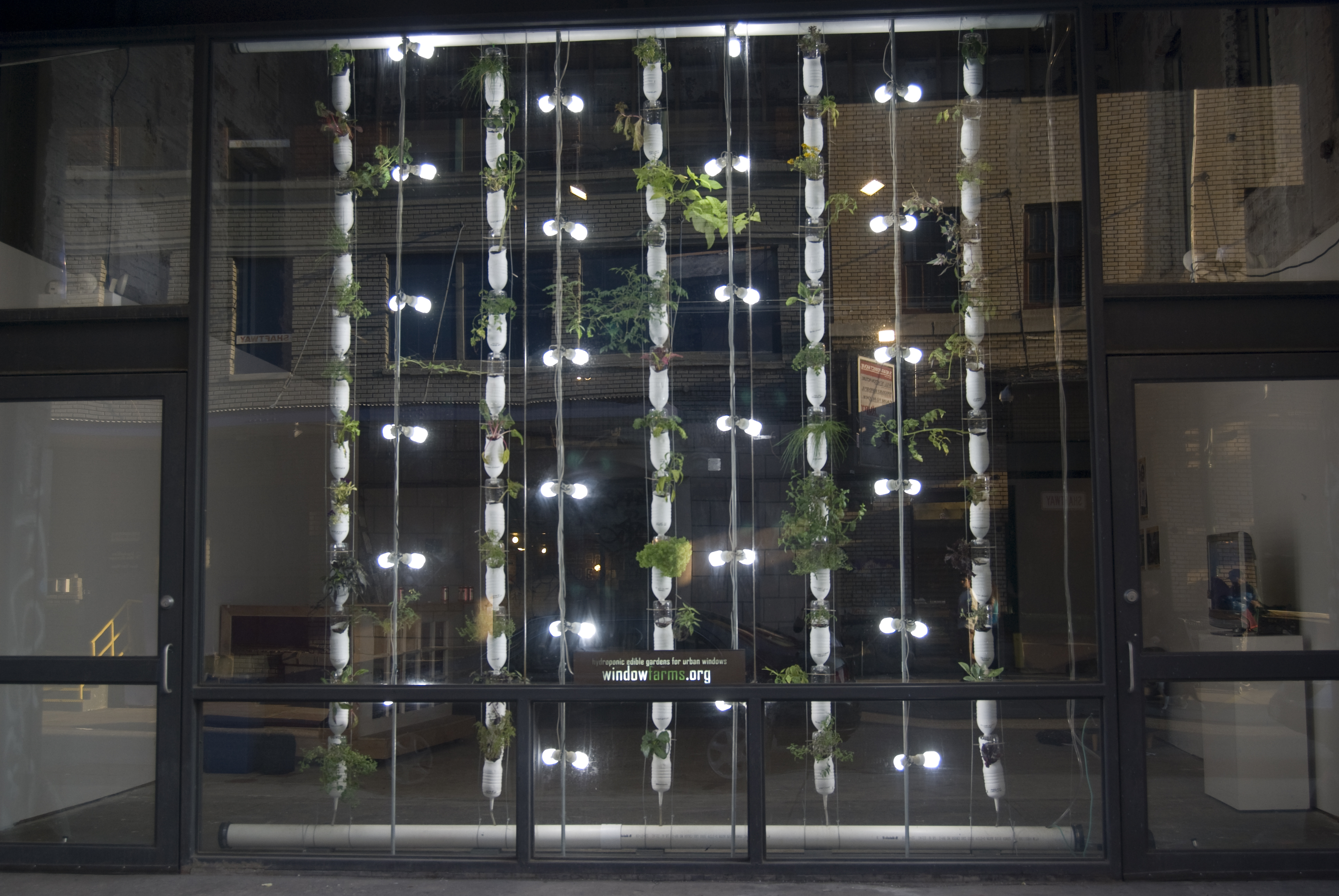
Big window farm at Eyebeam, July 2009. Photo by Lindsey Castillo.

I’m a city girl. I grew up in a place that was pretty much a concrete jungle. And until I was 21, the only farms I’d seen were those on my computer screen when I played Sim Farm. That probably explains why I stared in wide-eyed wonder as Sam drove me around the vast farmlands of Wisconsin. I was so excited that the barns, silos and haystacks looked just like the images painted in my mind by the virtual game!

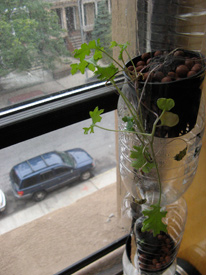
Gabriel Willow's Window Farm, July 2009. Photo by Gabriel Willow.

When I was working on the documentary for Project Green Heals, where we followed 98 high school students on their journeys to learn about urban agriculture, I learned about the great benefits of having food grown close-by. Food grown locally:

  • doesn’t have to be transported over hundreds of miles, so you save on gas and energy.
  • gets to you faster, so it hasn’t lost as many nutrients.
  • has no need for harmful chemical preservatives to keep them looking good longer.

Just like Singapore though, Chicago is a bustling city where buildings fill almost every square foot of the area. Without the huge plots of land, many believe it’s impossible to grow our own food. Fortunately, there are groups out there working to prove that it can be done. Uncommon Ground has turned one of Chicago’s many flat roofs into the country’s first organic rooftop farm.

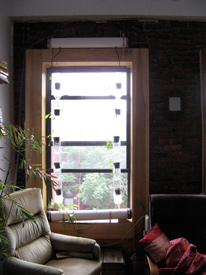
Gabriel Willow's Window Farm, July 2009. Photo by Gabriel Willow.

The Jane Addams Hull House turned a small plot of land right in the middle of the city into an urban farm, growing enough food to run its soup kitchen to feed the hungry.

But what if you don’t own a restaurant or you’re not part of a large organization? What can we, as regular individuals, do about it?

Window Farms could be the answer. Imagine being able to grow food, right in your own apartment window.

Window Farms are vertical, hydroponic, modular, low-energy, high-yield edible window gardens built using low-impact or recycled local materials.

Learn in less than 3 mintues what it’s all about:

Made from recycled bottles, decorative and food bearing. I find that pretty darn cool. I’d definitely love to give growing my own food a shot in my future home. Has your family ever been into home gardening? What are your thoughts on the Window Farms?

Play, Learn, Feed.

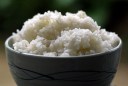
Bowl of rice (photo by georgereyes - CC-BY)

I love coming across little gems on the internet. Here’s something I discovered reading my Social Edge newsletter.

Give FreeRice today.

Play a game, feed the hungry. Entertainment, education and an easy way to help others all at one brilliant site. A program run by the United Nations World Food Program. This is great! :)